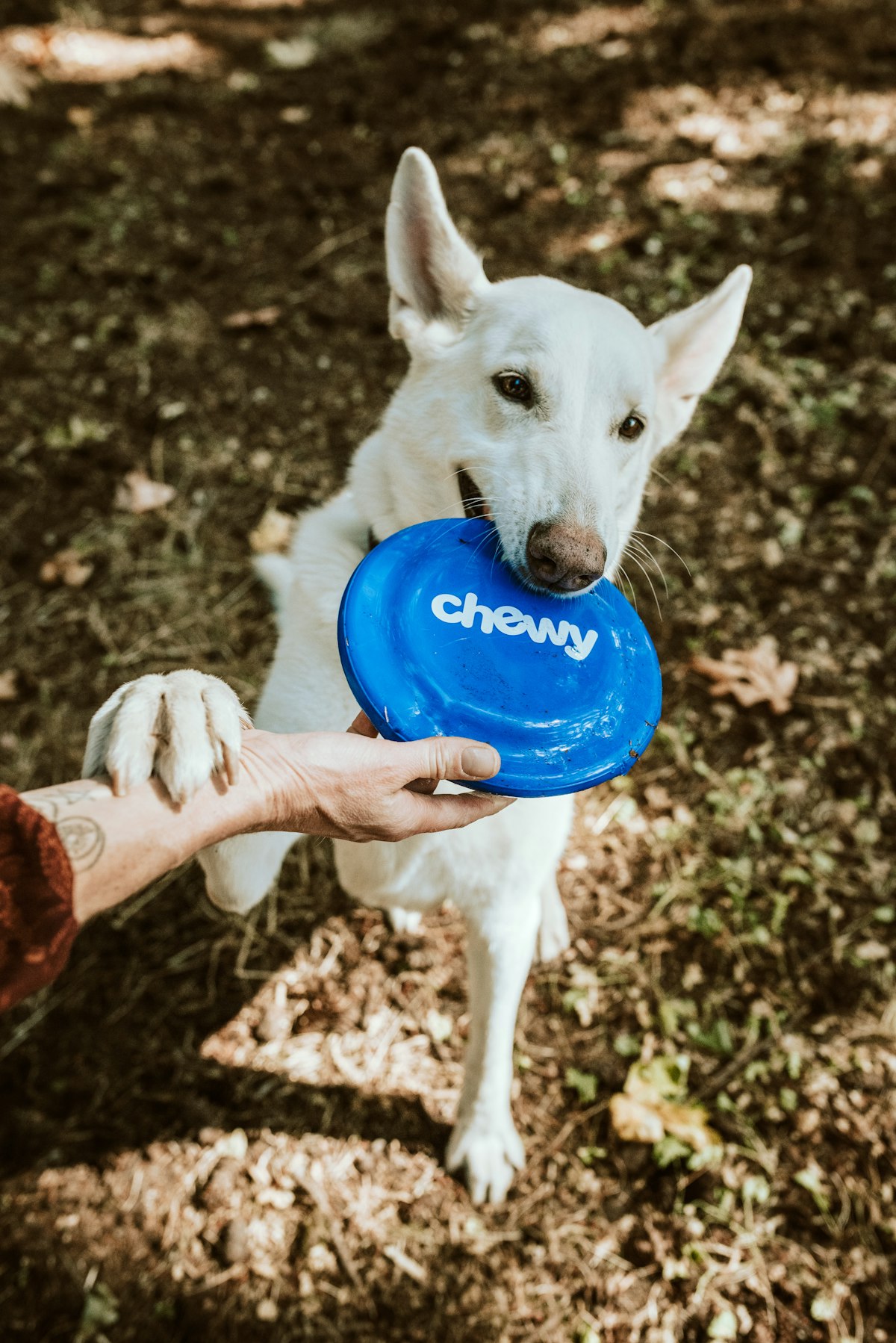
When it comes to giving your dog social play time, you have options. Dog parks offer open access to a rotating cast of potential playmates. Structured playdates give you control over who your dog meets and when. Both can work well. The best choice depends on your dog's personality, your lifestyle, and what you're trying to achieve.
The Case for Dog Parks
Variety and exposure
Dog parks introduce your dog to many different play styles, sizes, and energy levels. This variety builds social skills and adaptability. A dog who only plays with one or two familiar dogs may struggle when they encounter different types of dogs.
Flexibility
No coordination required. When your schedule opens up unexpectedly, you can head to the park without texting anyone or checking calendars. This flexibility makes regular play more achievable for busy owners.
Community building
Dog parks are where you meet other local dog owners. These relationships often evolve into friendships, play date arrangements, and a support network of people who understand dog ownership.
Exercise intensity
The open space and multiple dogs often result in higher-intensity play. Dogs run farther, play longer, and engage in the kind of chase games that are hard to replicate in smaller spaces.
It's free
Most dog parks cost nothing to use. Regular visits add up to significant savings compared to doggy daycare or other paid alternatives.
The Downsides of Dog Parks
Unpredictability
You can't control who else shows up. On any given day, you might find your dog's perfect playmate — or a dog who's poorly matched. Some visits are great; others are duds or even stressful.
Supervision varies
Not everyone pays attention to their dog at the park. You may have to advocate for your dog if another owner isn't managing their pet's behavior.
Risk of negative experiences
Bad interactions can happen. An encounter with an aggressive dog or a traumatic experience can set back your dog's socialization. While serious incidents are rare, the possibility exists.
Disease transmission
Any gathering of dogs carries some health risk. Make sure your dog's vaccinations are current, and be aware of any outbreaks in your area.
The Case for Structured Playdates
Known quantities
You choose the playmates. Once you've found dogs your dog enjoys and is compatible with, you can reliably create positive experiences every time.
Better control
You know the dogs, you know the owners, and you can set up the environment to succeed. If one dog needs breaks, you can easily coordinate. If play gets too rough, responsible humans are paying attention.
Deeper relationships
Dogs form stronger bonds with regular playmates. They develop play rituals, understand each other's signals better, and genuinely look forward to seeing their friends.
Lower stress
For dogs who are overwhelmed by park chaos, one-on-one playdates offer social time without the overstimulation. They can engage fully with one friend rather than trying to navigate multiple unpredictable interactions.
Better for dogs with limitations
Senior dogs, dogs recovering from injury, or dogs who are selective about playmates often do better with curated playdates than the randomness of dog parks.
The Downsides of Structured Playdates
Coordination overhead
Scheduling is a hurdle. Finding times that work for multiple humans, arranging locations, dealing with cancellations — it takes ongoing effort.
Limited exposure
If your dog only plays with the same few dogs, they may miss out on developing broader social skills. Some variety in playmates is valuable.
Finding compatible dogs
You first need to identify dogs your dog plays well with. This requires meeting dogs somewhere — often at dog parks — creating a chicken-and-egg situation.
A Balanced Approach
Most dogs benefit from a combination. Here's what that might look like:
- Dog parks for variety — Visit during good windows (moderate activity, compatible dogs present) to maintain broad social skills and meet new potential friends.
- Playdates for depth — Schedule regular meetups with dogs your dog genuinely enjoys. These become anchors of reliable positive play.
- Adjust based on your dog — Some dogs thrive on park chaos and need less structure. Others are happiest with familiar friends and need parks used sparingly.
Making Dog Parks Work Better
If you use dog parks, a few strategies improve outcomes:
- Timing matters more than anything. Visit when activity levels match your dog's needs — not too empty, not too crowded.
- Learn the regulars. Over time, you'll know which dogs are there when, allowing you to time visits strategically.
- Be willing to leave. If the current mix isn't working, it's fine to cut a visit short and try again another time.
- Stay engaged. Watch your dog, intervene when needed, and be ready to advocate for them.
Tools like Pupsli help with the timing piece — showing you when parks are active and who's checking in. This transforms random guessing into informed visits.
Making Playdates Work Better
For successful structured play:
- Start with short sessions and increase duration as dogs become comfortable.
- Choose neutral territory for first meetings (not either dog's home turf).
- Match energy levels. A calm senior dog and a hyperactive puppy may not be the best fit.
- Communicate with the other owner about what you're seeing and any concerns.
- Keep it regular. Sporadic playdates don't build the same relationships as consistent ones.
What's Right for Your Dog?
Consider these questions:
- Does your dog enjoy meeting new dogs, or prefer familiar faces?
- How does your dog handle chaotic environments?
- Do you have time to coordinate playdates, or do you need the flexibility of parks?
- Has your dog had negative experiences that make controlled environments important?
There's no universally correct answer. Pay attention to your dog's responses and adjust your approach based on what works for them.
Whether you choose parks or playdates, Pupsli helps you find the right times and dogs for your pup.