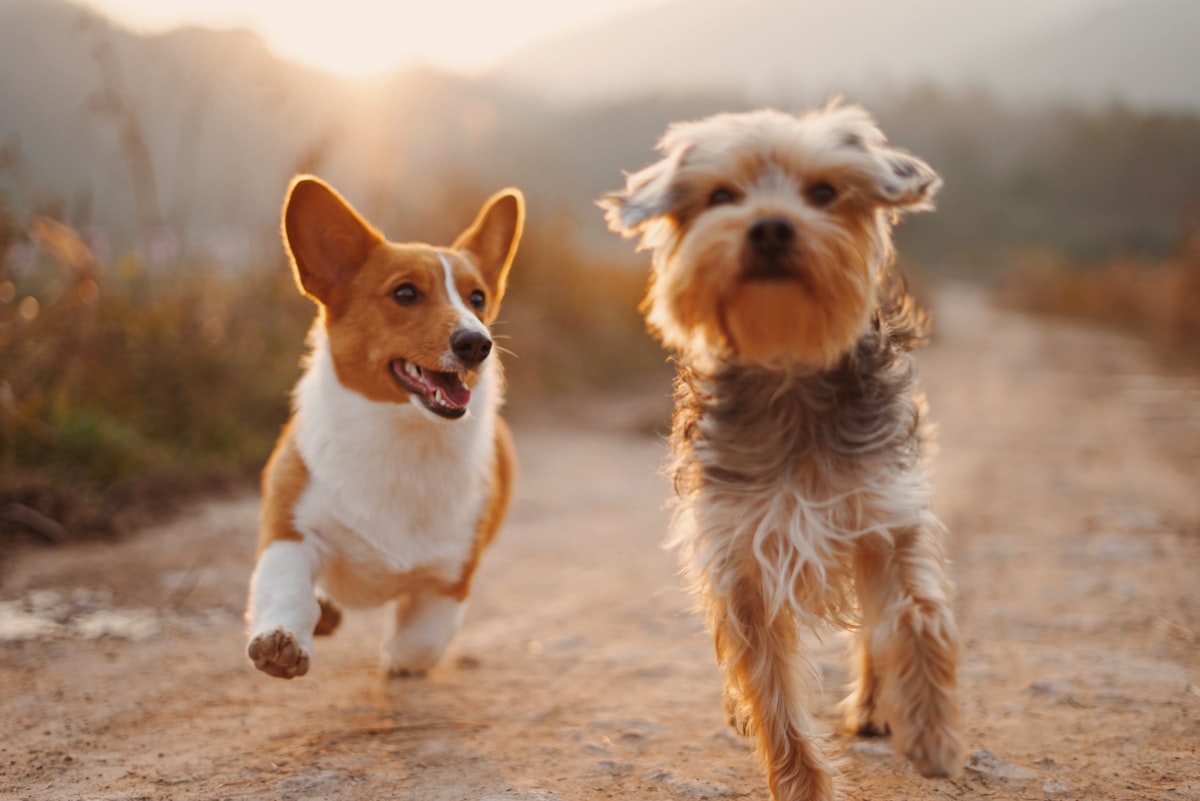
If you've ever watched two dogs meet and immediately launch into a play session — chasing, wrestling, bowing — you've witnessed something deeply instinctive. Dogs are social animals, and their need for interaction with other dogs goes far beyond simple entertainment.
For thousands of years, dogs lived and worked in groups. That pack mentality hasn't disappeared just because they now sleep on our couches. Regular play with other dogs fulfills a fundamental need that we, as loving owners, simply can't replicate on our own.
The Physical Benefits of Dog-to-Dog Play
When dogs play together, they engage in a type of exercise that's nearly impossible to recreate with human interaction alone. The sudden bursts of sprinting, the quick direction changes, the physical wrestling — these movements work muscle groups and provide cardiovascular benefits that even a long walk can't match.
Dogs naturally regulate their play intensity with each other. They'll sprint at full speed, pause to catch their breath, then start again. This interval-style exercise is remarkably efficient, often leaving dogs more satisfyingly tired after 30 minutes of play than after an hour-long walk.
Regular play also helps maintain healthy weight and joint flexibility. Dogs who play frequently tend to have better muscle tone and fewer mobility issues as they age.
Mental Stimulation and Cognitive Health
Play isn't just physical — it's a complex cognitive exercise. Dogs must constantly read and respond to another dog's body language, anticipate movements, and adjust their behavior in real-time. This mental workout is exhausting in the best possible way.
Dogs who regularly interact with other dogs show better problem-solving abilities and are generally more adaptable to new situations. They've learned to navigate social complexity, which translates into confidence in other areas of life.
Emotional Wellbeing and Stress Relief
Play releases endorphins and reduces cortisol levels in dogs, just as exercise does in humans. Regular social play creates a more emotionally balanced dog — one who's less prone to anxiety, fear-based reactions, and frustration.
Dogs who lack regular play opportunities often develop behavioral issues. They may become withdrawn, overly reactive to other dogs, or redirect their pent-up energy into destructive behaviors at home.
Learning Canine Communication
Every play session is a language lesson. Dogs learn to read subtle cues: the slight stiffening that means "too rough," the play bow that says "this is just for fun," the look away that signals "I need a break."
Dogs who regularly play with different dogs become fluent in canine communication. They're less likely to misread situations, less likely to escalate minor conflicts, and more capable of making friends quickly with new dogs.
The Social Connection Dogs Crave
Dogs form genuine friendships with other dogs. They have preferences, develop inside jokes (that play move that always makes them both go wild), and clearly look forward to seeing their friends.
Watching your dog light up when they spot a familiar friend at the park — ears forward, tail wagging, whole body wiggling — is witnessing pure joy. That emotional connection matters.
What About Human Play?
Playing with your dog is wonderful and important for your bond. But it serves a different purpose. You can't wrestle the way another dog can. You can't match their speed in chase games. You don't speak their language fluently enough to give them the full experience of dog-to-dog communication.
Think of it this way: spending time with your family is fulfilling, but you also need friends. Dogs are the same.
Making It Happen
The challenge, of course, is logistics. Finding other dogs to play with, at times that work for everyone, in locations that are safe and suitable — it takes effort.
Dog parks can be excellent resources when they're well-populated with compatible dogs. The key is timing. An empty park offers nothing, and an overcrowded one can be stressful. Knowing when other dogs will be there makes all the difference.
This is one of the reasons we built Pupsli — to help dog owners find each other and coordinate visits to parks. When you can see that other dogs are at your local park right now, or know that Saturdays at 9am are always busy, it becomes much easier to give your dog the regular play they need.
Start Small, Stay Consistent
If your dog hasn't had much experience with other dogs, start slow. Short, positive interactions build confidence. Look for calmer dogs who can model good play behavior.
Aim for at least a few play sessions per week. Consistency matters more than duration. Regular 20-minute sessions are better than one marathon weekend visit.
Your dog's need for other dogs isn't a luxury — it's fundamental to who they are. Making time for regular play is one of the best things you can do for their health, happiness, and overall quality of life.
Ready to give your dog regular playtime? Pupsli shows you when dogs are at nearby parks in real-time.